global geography begins with regions. Regions and subregions are subdivisions of continents used for geographical, cultural, political, and economic organization. They make global data, trade, development planning, and research more structured.
Each continent is divided into subregions to reflect climate, topography, culture, historical connections, and economic similarities.
Importance of Regions and Subregions
- Geographical Clarity: Helps identify countries and landforms within a continent.
- Cultural & Historical Insight: Groups countries with shared cultural and historical heritage.
- Economic & Political Planning: Facilitates trade agreements, regional alliances, and development programs.
- Environmental Awareness: Highlights ecosystems, climates, and biodiversity zones.
World Regions by Continent
Asia Subregions
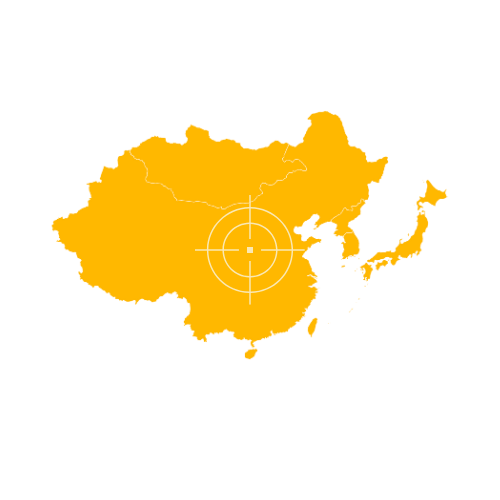
- East Asia
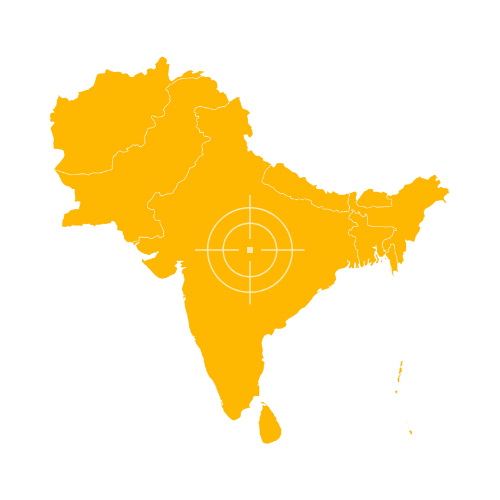
- South Asia
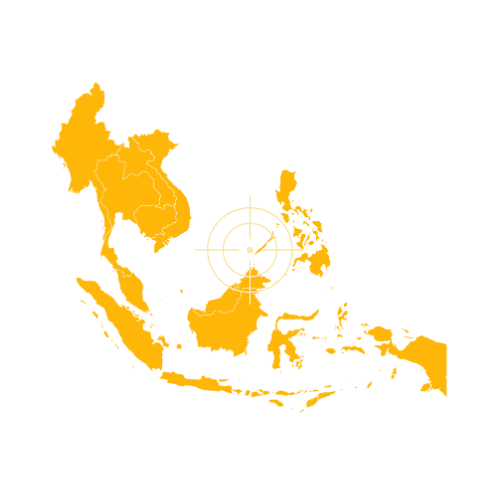
- Southeast Asia
- Central Asia
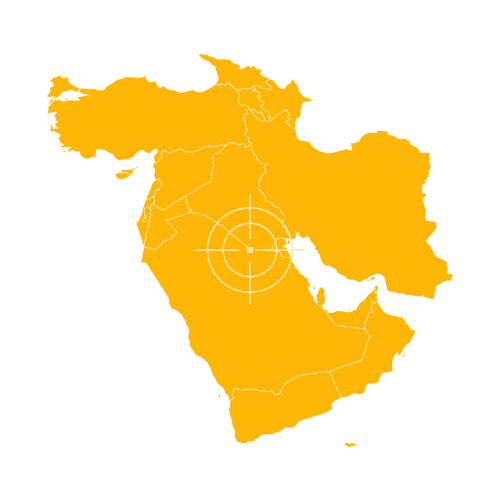
- Western Asia
Africa Subregions
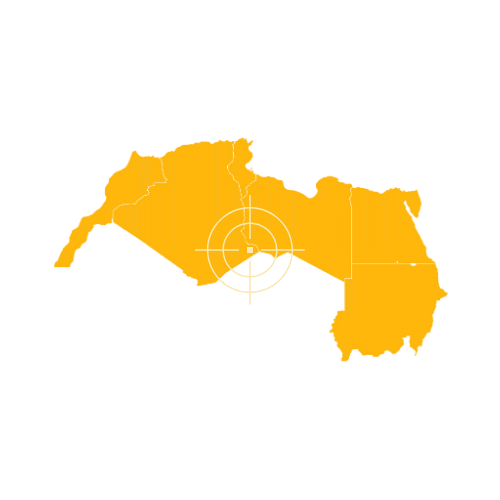
- Northern Africa
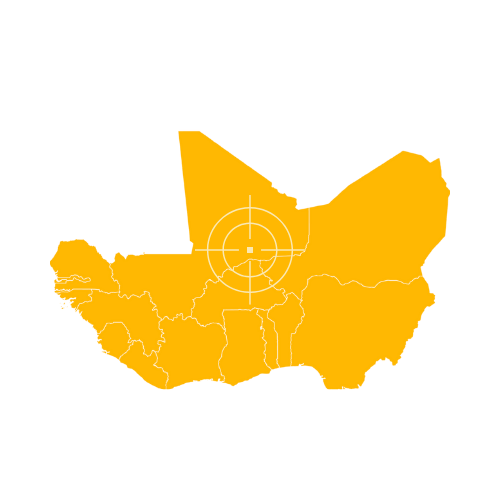
- Western Africa
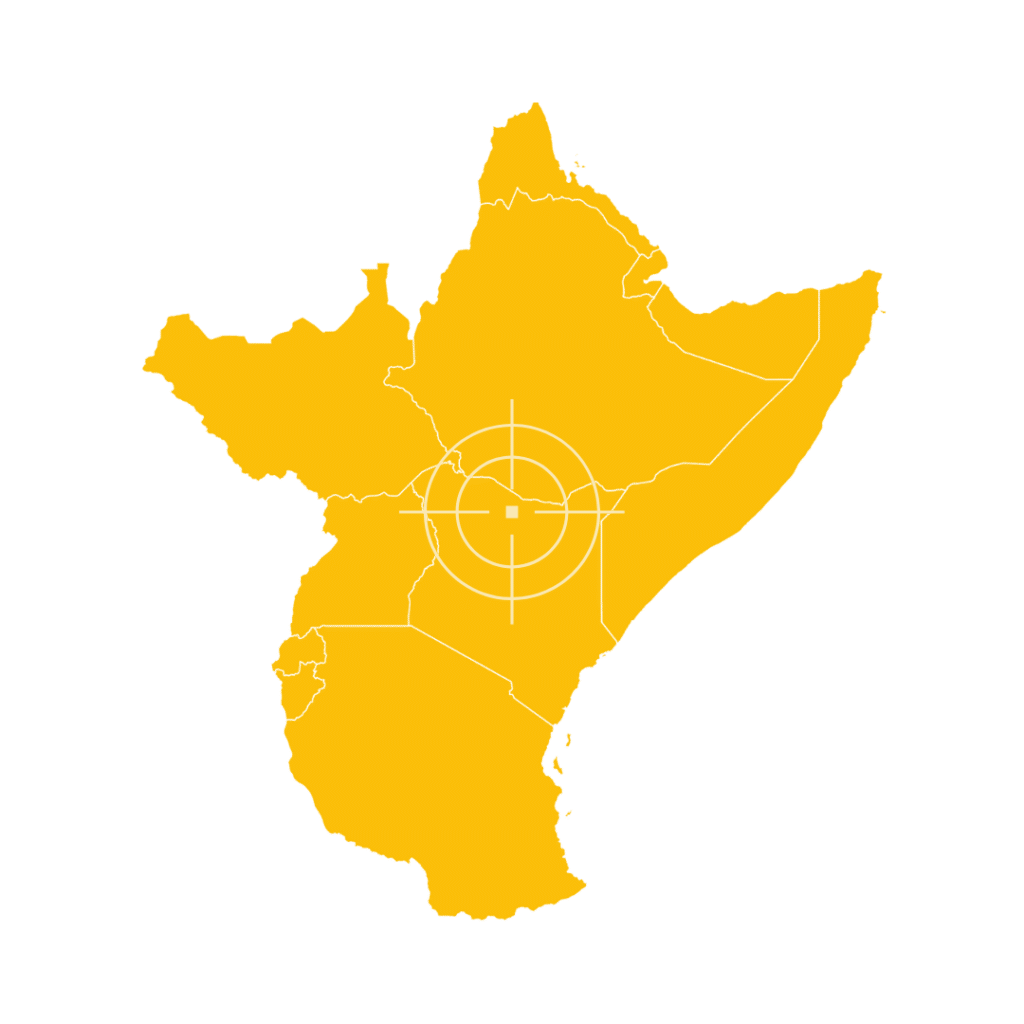
- Eastern Africa
- Middle (Central) Africa
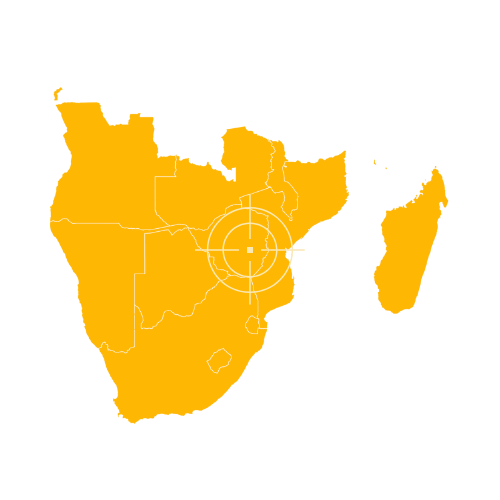
- Southern Africa
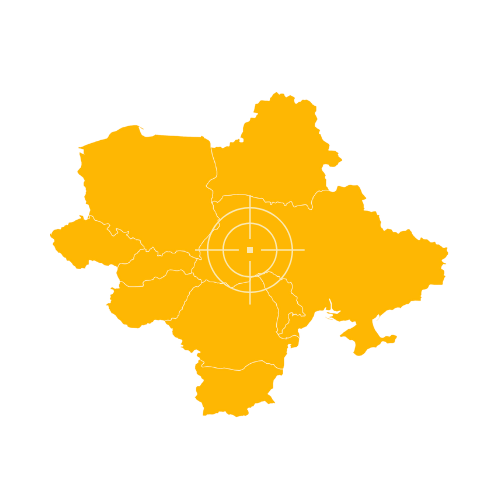
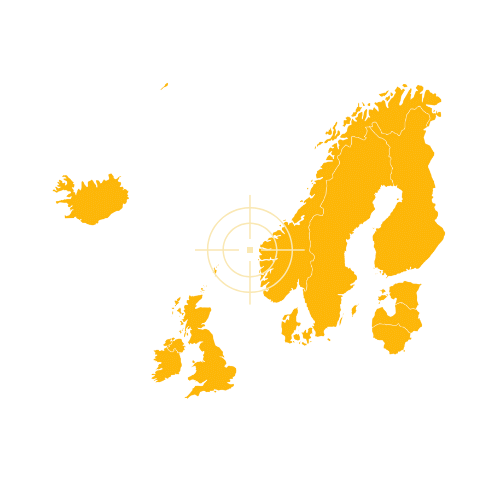
Europe Subregions
- Northern Europe
- Western Europe
- Eastern Europe
- Southern Europe
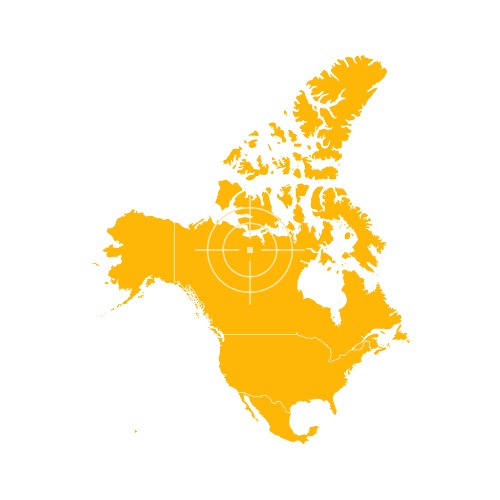
North America Subregions
- Northern America
- Central America
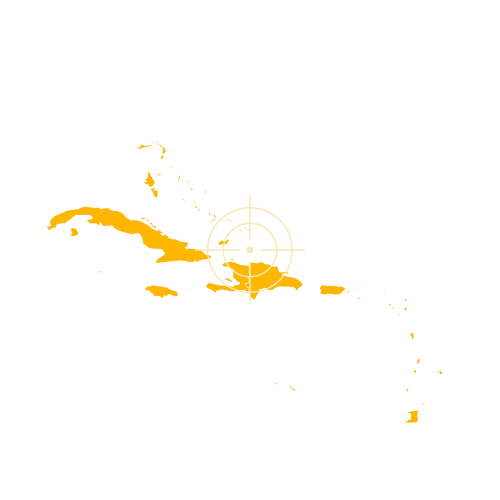
- Caribbean
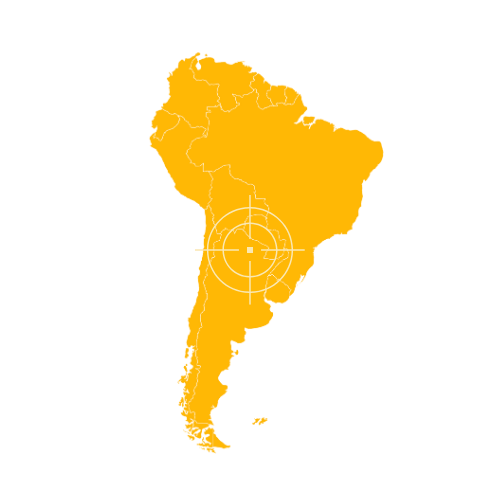
South America Subregions
- Andean States
- Southern Cone
- Amazon Basin
- Caribbean South America
Oceania Subregions
- Australia & New Zealand
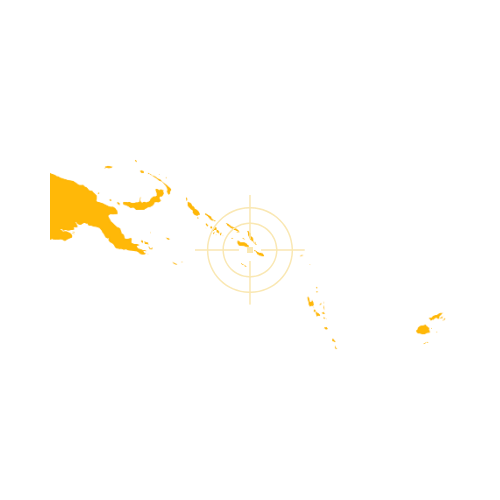
- Melanesia
- Micronesia
- Polynesia
Antarctica Subregions
- East Antarctica
- West Antarctica
- Antarctic Peninsula
- Scientific Research Sectors
Number of Countries in Each Subregion
- East Asia: 8–9 countries
- South Asia: 8 countries
- Southeast Asia: 11 countries
- Central Asia: 5 countries
- Western Asia: 18–20 countries
- Northern Africa: 7 countries
- Western Africa: 16 countries
- Eastern Africa: 18 countries
- Middle Africa: 9 countries
- Southern Africa: 6 countries
- Northern Europe: 10 countries
- Western Europe: 9 countries
- Southern Europe: 15 countries
- Eastern Europe: 10 countries
- Northern America: 3 countries
- Central America: 7 countries
- Caribbean: 13–14 countries
- South America: 12 countries
- Australia & New Zealand: 2 countries
- Melanesia: 5 countries
- Micronesia: 10 countries
- Polynesia: 9 countries
- Antarctica: 0 countries (scientific research zones only)
FAQs
- Q1: What is a subregion?
A subregion is a smaller division within a continent grouping countries with shared geography, culture, or economic traits. - Q2: How many world regions exist?
The world has 6–7 major continental regions, further divided into multiple subregions. - Q3: Why are subregions important?
They make global analysis, planning, research, and mapping easier by grouping countries with similar characteristics. - Q4: Do subregions have official political recognition?
Mostly no; they are used for geographic, cultural, or statistical purposes, not sovereignty. - Q5: Which continent has the most subregions?
Africa has the most recognized subregions due to its vast geography and cultural diversity.