the 50-State System
The division of the USA into 50 states provides multiple advantages:
- Local Governance: States can make laws suited to their populations.
- Economic Specialization: States develop industries based on regional resources.
- Cultural Preservation: Each state maintains its traditions, heritage, and identity.
- Political Representation: Citizens participate in both state and federal elections.
- Efficient Administration: Smaller units allow for better resource management.
- Innovation & Competition: States compete to attract investment, businesses, and talent.
This federal structure enables the United States to function as a cohesive yet flexible nation, balancing national priorities with local needs.
Historical Background of State Formation
After independence in 1776, the United States initially consisted of 13 colonies, which became the first states. Expansion westward occurred through treaties, purchases, and settlement. The Northwest Ordinance of 1787 provided a framework for creating new states, ensuring organized governance and representation. Territories became states after meeting population and governance standards. Alaska and Hawaii were the last to join in 1959, completing the 50-state system.
How States Were Formed
The formation of states followed this process:
- Original colonies became the first states.
- Western territories were organized under federal guidance.
- Population and infrastructure requirements were met.
- Congress approved statehood for eligible territories.
- States adopted their own constitutions and elected officials, remaining under the US Constitution.
Benefits of the 50-State System
Dividing the USA into states provides significant advantages:
- Regional Autonomy: States can govern according to local needs.
- Economic Growth: States focus on industries that best suit their resources.
- Cultural Diversity: States preserve history, culture, and traditions.
- Political Participation: Citizens vote for state and federal representatives.
- Administrative Efficiency: Smaller units allow better management of infrastructure and services.
- Innovation & Competition: States compete to attract businesses, investment, and talent.
The 50 States of the USA
Alabama – Known for southern culture and history. Population: 5.1 million. Economy: agriculture, aerospace, manufacturing.
Alaska – Largest state by area. Population: 730,000. Economy: oil, fishing, tourism.
Arizona – Famous for deserts and the Grand Canyon. Population: 7.3 million. Economy: mining, tourism, technology.
Arkansas – Rich in natural resources. Population: 3 million. Economy: agriculture, manufacturing, services.
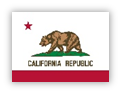
California – Most populous state and technology hub. Population: 39 million. Economy: technology, entertainment, agriculture.
Colorado – Known for Rocky Mountains and outdoor recreation. Population: 5.8 million. Economy: tourism, energy, technology.
Connecticut – Recognized for finance and historic landmarks. Population: 3.6 million. Economy: finance, insurance, manufacturing.
Delaware – First state to ratify the US Constitution. Population: 1 million. Economy: chemical, banking, agriculture.
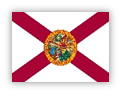
Florida – Popular for tourism, beaches, and retirement communities. Population: 22 million. Economy: tourism, agriculture, aerospace.
Georgia – Known for Atlanta and diverse industry. Population: 10.7 million. Economy: agriculture, logistics, manufacturing.
Hawaii – Island state with unique culture and tourism. Population: 1.4 million. Economy: tourism, military, agriculture.
Idaho – Famous for potatoes and outdoor activities. Population: 1.9 million. Economy: agriculture, technology, mining.
Illinois – Home to Chicago and finance hubs. Population: 12.6 million. Economy: finance, manufacturing, agriculture.
Indiana – Manufacturing and agriculture-focused. Population: 6.7 million. Economy: manufacturing, agriculture, healthcare.
Iowa – Known for farming and renewable energy. Population: 3.2 million. Economy: agriculture, manufacturing, biotech.
Kansas – Agricultural heartland. Population: 2.9 million. Economy: agriculture, aviation, energy.
Kentucky – Famous for bourbon and horse racing. Population: 4.5 million. Economy: manufacturing, agriculture, tourism.
Louisiana – Rich in culture and oil production. Population: 4.6 million. Economy: energy, tourism, agriculture.
Maine – Known for seafood and forests. Population: 1.3 million. Economy: fishing, tourism, forestry.
Maryland – Proximity to Washington D.C., finance, and biotech. Population: 6.2 million. Economy: biotech, defense, services.
Massachusetts – Education and healthcare leader. Population: 6.9 million. Economy: education, healthcare, technology.
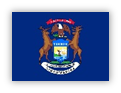
Michigan – Automotive industry hub. Population: 10 million. Economy: automotive, manufacturing, agriculture.
Minnesota – Known for lakes and healthcare innovation. Population: 5.7 million. Economy: manufacturing, healthcare, technology.
Mississippi – Agriculture and energy focus. Population: 2.9 million. Economy: agriculture, manufacturing, energy.
Missouri – Central US transportation hub. Population: 6.1 million. Economy: manufacturing, agriculture, logistics.
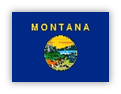
Montana – Natural landscapes and tourism. Population: 1.1 million. Economy: mining, agriculture, tourism.
Nebraska – Agriculture and finance. Population: 1.9 million. Economy: agriculture, finance, manufacturing.
Nevada – Entertainment and tourism. Population: 3.3 million. Economy: tourism, gaming, mining.
New Hampshire – Education and tourism. Population: 1.4 million. Economy: manufacturing, tourism, healthcare.
New Jersey – Dense population, finance and pharma. Population: 9.2 million. Economy: finance, pharmaceuticals, services.
New Mexico – Culture and energy. Population: 2.1 million. Economy: energy, tourism, technology.
New York – Financial and cultural capital. Population: 19.8 million. Economy: finance, media, technology.
North Carolina – Technology, banking, and agriculture. Population: 10.7 million. Economy: technology, banking, agriculture.
North Dakota – Energy and agriculture. Population: 760,000. Economy: agriculture, energy, manufacturing.
Ohio – Manufacturing and logistics hub. Population: 11.8 million. Economy: manufacturing, logistics, healthcare.
Oklahoma – Energy and agriculture. Population: 4 million. Economy: energy, agriculture, manufacturing.
Oregon – Technology and natural beauty. Population: 4.3 million. Economy: technology, forestry, tourism.
Pennsylvania – Historical and industrial state. Population: 13 million. Economy: manufacturing, services, agriculture.
Rhode Island – Smallest US state, maritime history. Population: 1.1 million. Economy: healthcare, education, manufacturing.
South Carolina – Tourism and manufacturing. Population: 5.2 million. Economy: tourism, manufacturing, agriculture.
South Dakota – Agriculture and tourism. Population: 900,000. Economy: agriculture, tourism, finance.
Tennessee – Music and manufacturing hub. Population: 7 million. Economy: manufacturing, music, tourism.
Texas – Energy and technology powerhouse. Population: 30 million. Economy: energy, technology, agriculture.
Utah – Technology and outdoor recreation. Population: 3.4 million. Economy: technology, tourism, mining.
Vermont – Agriculture and tourism. Population: 640,000. Economy: agriculture, tourism, manufacturing.
Virginia – History and government hub. Population: 8.7 million. Economy: government, defense, technology.
Washington – Technology and trade. Population: 7.9 million. Economy: technology, trade, agriculture.
West Virginia – Energy and natural resources. Population: 1.8 million. Economy: energy, manufacturing, tourism.
Wisconsin – Dairy and manufacturing. Population: 5.9 million. Economy: agriculture, manufacturing, healthcare.
Wyoming – Natural resources and tourism. Population: 580,000. Economy: energy, tourism, agriculture.